Pattern Recognition Review
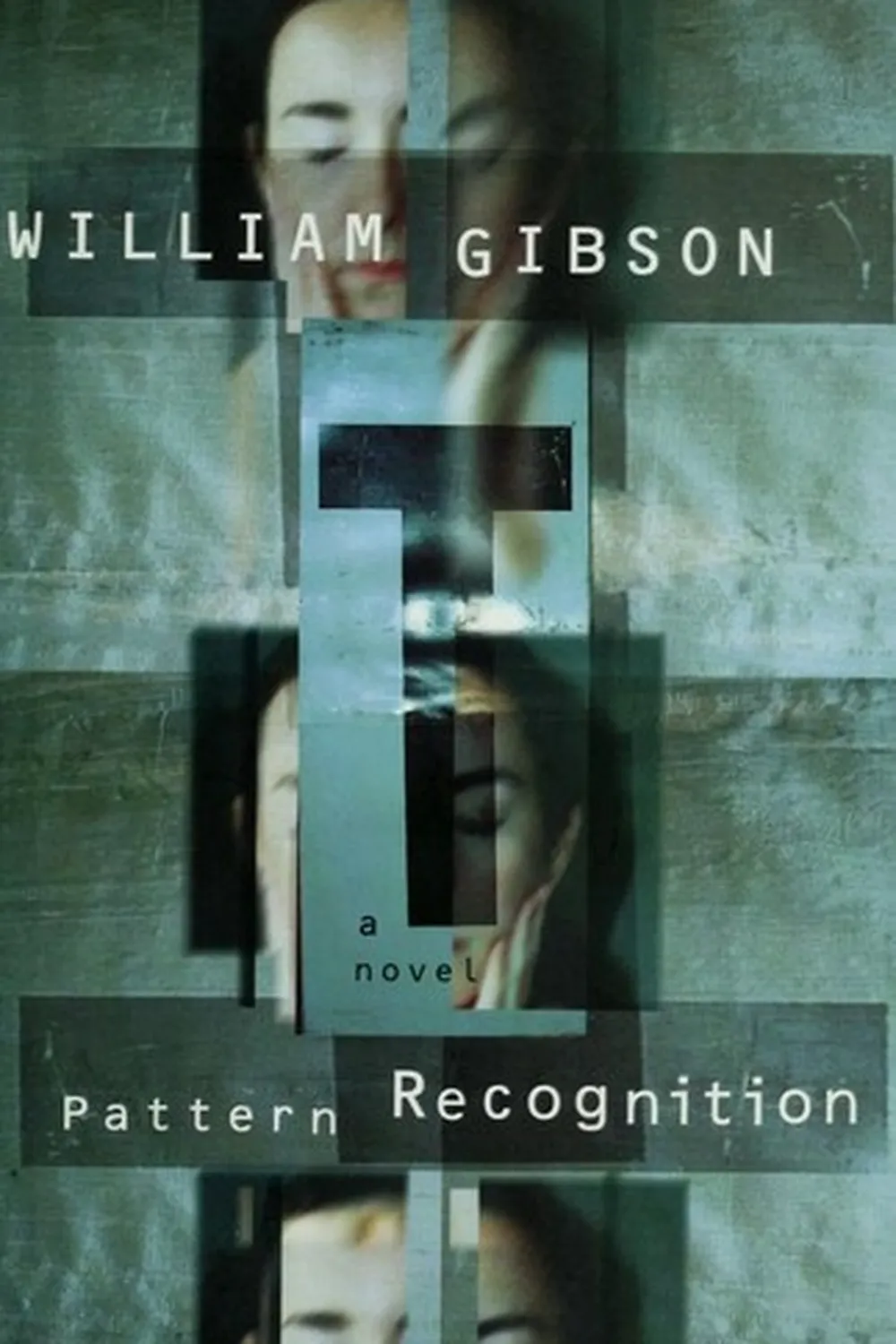
Pattern Recognition by William Gibson is a contemporary novel about brands, signals, and the hunt for meaning in a globalized network. It treats the modern city as an interface and marketing as myth making. Mystery meets media studies.
Overview
Cayce Pollard, allergic to trademarks and gifted at reading trends, chases an anonymous video creator across London, Tokyo, and Moscow. Corporate quests blur with personal hauntings. The plot is a map of early 2000s culture: message boards, viral clips, post 9/11 atmospherics.
Summary
Cayce’s sensitivity to design and semiotics becomes both tool and curse. She tracks fragments, decodes communities, and confronts the machinery behind manufactured desire. The footage functions as a pure signal: art without attribution that pulls capital into its orbit. Resolution reveals craft and cost behind cultural production.
Authors
William Gibson writes with cool precision. Tech feels tactile; brands feel alive; cities read like circuitry.
Key Themes
Authenticity under capitalism; pattern seeking as survival; fandom as labor; globalization as mood; trauma as filter.
Strengths and Weaknesses
Strengths: atmosphere, acuity about branding, and prescient internet culture. Weaknesses: some plot mechanics feel engineered and side characters can be schematic. The texture carries it.
Target Audience
Readers of literary thrillers, designers, marketers, and anyone fascinated by online subcultures and global brands.
Favorite Ideas
Logo allergy as critique; anonymous art as antidote to market spin; forums as early social networks that make and unmake meaning.
Takeaways
We see patterns because we need stories. In a branded world, the hardest signal to find is the one without a sales pitch.